
Menu

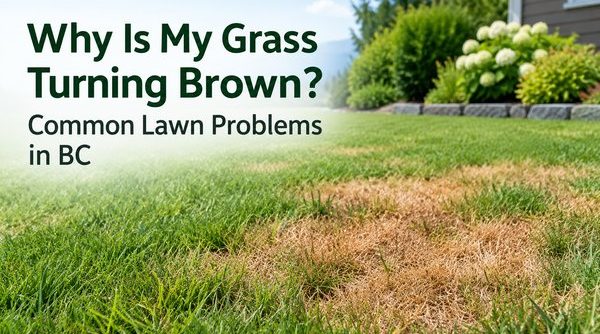
A green, healthy lawn can make your outdoor space look fresh and inviting. However, brown grass is a common problem for homeowners in British Columbia (BC). You may notice brown patches, yellow grass, dry areas, or uneven colour across your lawn. These changes can happen for several reasons, including a lack of water, poor soil conditions, lawn diseases, pests, or seasonal weather changes.
Understanding why your grass is turning brown can help you choose the right solution. Before watering more frequently or applying lawn treatments, it is important to identify the possible cause of the problem.
One of the most common reasons for brown grass is insufficient water. During warmer months, grass can lose moisture quickly, especially when temperatures rise and rainfall becomes limited. Lawns with sandy soil or areas exposed to direct sunlight may dry out faster than shaded areas.
How to fix it:
Water your lawn deeply rather than giving it a light watering every day. Deep watering encourages roots to grow further into the soil, helping grass access moisture. Early morning is generally a suitable time to water because less moisture is lost through evaporation. Adjust your watering schedule according to rainfall, soil conditions, and local water restrictions.
Although grass needs water to grow, excessive watering can also cause problems. When soil remains wet for long periods, roots may not receive enough oxygen. Poor drainage can make the situation worse, particularly in areas where water collects after rain.
How to fix it:
Check the soil before watering again. If it feels consistently wet, reduce watering and allow the ground to dry appropriately. Remove or redirect standing water where possible, and consider improving drainage in persistently wet areas. Avoid walking on waterlogged grass because this can compact the soil.
British Columbia experiences different weather conditions across its regions. Some areas receive substantial rainfall, while others experience relatively dry summers. Grass may become brown during hot, dry periods or enter dormancy when conditions are unfavourable.
Brown grass does not always mean the lawn is permanently damaged. Some grass varieties can recover when temperatures become more suitable and sufficient moisture returns.
How to fix it:
Monitor your lawn as the weather changes. During dry periods, provide appropriate irrigation while following local watering regulations. Avoid unnecessary fertilizing when grass is stressed by heat or drought. If the lawn is dormant, allow it to recover naturally when conditions improve.
Brown patches that appear suddenly or spread across the lawn may be associated with fungal diseases. Some lawn diseases produce circular patches, while others create irregular brown areas or discoloured grass blades. Humid weather, prolonged leaf moisture, poor air circulation, and excessive nitrogen fertilizer can contribute to certain fungal problems.
How to fix it:
Avoid watering late in the evening, and improve airflow by trimming back vegetation around the lawn where appropriate. Remove excessive thatch if it is contributing to poor lawn conditions. If the brown patches continue spreading, identify the specific disease before choosing a treatment. Fungicides are not necessary for every brown lawn and should only be considered when appropriate.
Soil compaction occurs when soil particles become tightly packed, reducing the space available for air, water, and root growth. It can happen in lawns that receive frequent foot traffic, support outdoor activities, or are driven over by equipment.
Compacted soil may prevent water from reaching the roots properly, leaving grass thin, weak, or brown.
How to fix it:
Core aeration can help relieve compaction by removing small plugs of soil. Aeration is often most useful when the grass is actively growing and soil conditions are suitable. Reducing unnecessary foot traffic and avoiding heavy equipment on wet ground can also help prevent future compaction.
Mowing grass too short can expose the soil to direct sunlight and increase moisture loss. It can also weaken the grass and make the lawn more vulnerable to weeds, pests, and environmental stress.
How to fix it:
Adjust your mower to maintain an appropriate grass height for your lawn variety. Avoid removing too much grass in a single mowing session. Keep mower blades sharp so they cut cleanly instead of tearing the grass. During hot or dry weather, leaving grass slightly longer can help protect the soil and support healthier growth.
Insects and other pests can damage grass roots or feed on grass blades, creating yellow or brown patches. If sections of your lawn look loose, thin, or easily pulled from the soil, root damage may be a possible cause.
How to fix it:
Inspect affected areas for insects, damaged roots, or other visible signs of pest activity. Avoid applying pesticides without identifying the problem first. Depending on the pest, suitable solutions may include targeted treatment, improving lawn health, or repairing damaged sections with appropriate grass seed.
How to Prevent Brown Grass in BC
Maintaining a healthy lawn starts with consistent care. Water according to weather conditions and soil moisture, mow at the correct height, and avoid excessive fertilizer application. Aerate compacted soil when necessary, address drainage problems, and monitor your lawn regularly for changes in colour or growth.
Choose grass varieties suited to your local climate and the amount of sunlight your lawn receives. A lawn in coastal BC may need a different care routine from one in a drier part of the province.
When Should You Seek Professional Lawn Care?
If brown patches continue to spread despite proper watering and mowing, professional lawn care may help identify the underlying problem. Persistent discolouration can result from several issues occurring together, such as compacted soil, drainage problems, disease, or root damage.
A lawn care professional can assess the affected areas and recommend suitable solutions, including aeration, overseeding, drainage improvements, or targeted treatments.
Brown grass can result from several common lawn problems in British Columbia, including insufficient watering, overwatering, seasonal stress, fungal diseases, soil compaction, and incorrect mowing. The best solution depends on the cause.
By checking soil moisture, adjusting your lawn care routine, and addressing problems early, you can give your grass a better chance of recovering. Regular maintenance and suitable watering practices can also help reduce the risk of brown patches returning.