
Menu

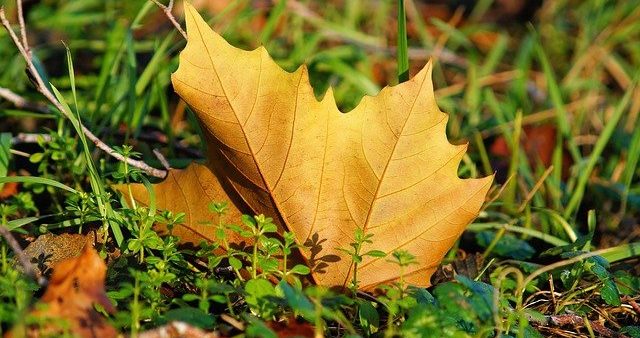
As summer comes to an end, your lawn needs a little extra attention before the colder and wetter months arrive. For homeowners in British Columbia, September and early fall are an ideal time to prepare the lawn for winter and address problems that developed during the summer.
A proper fall lawn care routine can help your grass recover from summer stress, strengthen its root system, and start the next growing season in better condition.
Use this fall lawn care checklist to prepare your lawn before winter.
1. Remove Leaves and Lawn Debris
Fallen leaves can quickly cover your lawn during the fall. A thick layer of leaves can block sunlight and restrict air circulation, particularly when the leaves become wet.
Rake or remove leaves regularly rather than allowing them to remain on the grass for long periods. Don’t forget to clear branches, twigs, and other debris as well. Regular leaf removal can help keep your lawn cleaner and reduce conditions that may contribute to lawn problems.
2. Continue Mowing Your Lawn
Your lawn may continue growing during the early fall, so don’t stop mowing too soon. Continue cutting the grass as needed while growth remains active. Avoid removing too much grass at once. A good rule is to avoid cutting more than approximately one-third of the grass height in a single mowing.
As temperatures become cooler and grass growth slows, mowing frequency can gradually decrease.
3. Aerate Compacted Soil
Compacted soil can prevent water, air, and nutrients from reaching grass roots effectively. Summer foot traffic and regular lawn use can contribute to soil compaction. Fall can be a good time to aerate many lawns. Aeration creates small openings in the soil, improving air and water movement and providing better conditions for root growth.
If your lawn feels hard underfoot or water tends to sit on the surface after rainfall, soil compaction may be one issue worth investigating.
4. Overseed Thin or Bare Areas
Inspect your lawn for thin, damaged, or completely bare patches. These areas can be caused by summer heat, foot traffic, pests, disease, or other lawn conditions.Early fall often provides suitable conditions for overseeding in many areas of BC. Cooler temperatures and natural moisture can help new grass establish.
Before spreading seed, prepare the soil properly and select a grass seed appropriate for your lawn and local growing conditions.
5. Apply Fall Fertilizer
Fall lawn fertilization can provide grass with nutrients needed to support healthy root development before winter. The correct fertilizer depends on factors such as grass type, soil condition, and local climate. Applying too much fertilizer can potentially damage your lawn, so follow product instructions carefully.
If you’re uncertain about your lawn’s nutrient requirements, a professional lawn care provider can help determine an appropriate treatment.
6. Control Weeds
Fall is also a good opportunity to inspect your lawn for weeds. Weeds compete with grass for available nutrients, water, sunlight, and growing space. Remove smaller weed problems manually where practical, or consider an appropriate treatment for more persistent issues.
Always follow the label instructions for any lawn-care product and consider professional advice if you’re unsure which approach is suitable for your property.
7. Check for Lawn Diseases
Cooler and wetter conditions can create an environment where certain lawn diseases become more noticeable. Look for unusual discolouration, circular patches, thinning areas, or other changes in the appearance of your grass.
Regular leaf removal, appropriate watering, good air circulation, and avoiding excessive moisture can support overall lawn health. If you notice persistent damage, identifying the underlying cause is important before applying a treatment.
8. Inspect Your Lawn’s Drainage
BC’s fall and winter rainfall makes drainage an important part of lawn maintenance. Walk around your property after rainfall and look for areas where water consistently pools. Poor drainage can contribute to weakened grass, soil problems, and landscape damage. Check nearby drains and drainage points for leaves and debris, and make sure they remain clear throughout the fall.
9. Reduce Heavy Foot Traffic on Wet Grass
Wet grass and saturated soil can be more vulnerable to damage and compaction. Try to avoid unnecessary traffic across the lawn when the ground is particularly wet.
If certain areas receive regular foot traffic, consider whether a pathway or other landscaping solution would be more practical.
Protecting the lawn during wet weather can help preserve the soil structure and reduce unnecessary damage.
10. Complete Your Final Fall Cleanup
Before winter sets in, give your entire yard a final seasonal cleanup. Remove leaves, branches, dead vegetation, and other debris from the lawn and surrounding landscape. Clean garden beds, pathways, lawn edges, and drainage areas as well.
For larger properties, professional yard cleanup services can make seasonal maintenance much easier and ensure important areas aren’t overlooked.
11. Inspect Trees and Shrubs
Your lawn doesn’t exist in isolation. Trees and shrubs around your property can also affect lawn health and maintenance. Inspect nearby plants for dead or damaged branches and address appropriate pruning needs before winter weather arrives. Fallen branches and excessive plant debris should also be removed from the lawn.
For larger trees or complicated pruning work, professional assistance may be appropriate.
12. Prepare for the Winter Months
Once you’ve worked through your fall lawn care checklist, take a final look at the entire property. Make sure leaves and debris have been removed, bare lawn areas have been addressed, drainage points are clear, and the grass has received the maintenance it needs.
The goal isn’t to keep your lawn growing throughout winter. Instead, fall maintenance helps put the lawn in better condition before the growing season ends.
Fall Lawn Care Checklist at a Glance
Here’s a quick checklist you can save for your seasonal maintenance:
Why Fall Lawn Care Matters
Fall maintenance is an important part of maintaining a healthy lawn year-round. Addressing summer damage, improving soil conditions, removing leaves, and preparing your property for wet weather can help reduce problems during the colder months.
It can also make spring lawn care easier. Instead of starting the next growing season with excessive debris, compacted soil, bare patches, and drainage issues, you’ll have a better-maintained lawn to work with.
Get Your Lawn Ready for Winter
Don’t wait until winter weather arrives to start thinking about lawn care. September and early fall are excellent times to work through your fall lawn care checklist and prepare your property for the months ahead.
Whether you need help with lawn maintenance, leaf removal, aeration, gardening, or seasonal yard cleanup, professional landscaping services can help keep your outdoor space healthy and well maintained.
A little preparation this fall can make a big difference when your lawn begins growing again next spring.